
A Full Closet and Nothing to Wear
The most common sentence I hear isn't a wardrobe problem, it's a decision nobody has made.
Read it →Fashion Stylist · Fashion Therapist · Brand Strategist
Designed with the same intention. Fashion styling and image therapy for how you present in a room — content and brand strategy for how you present on a screen. Two disciplines, one eye.
The Philosophy
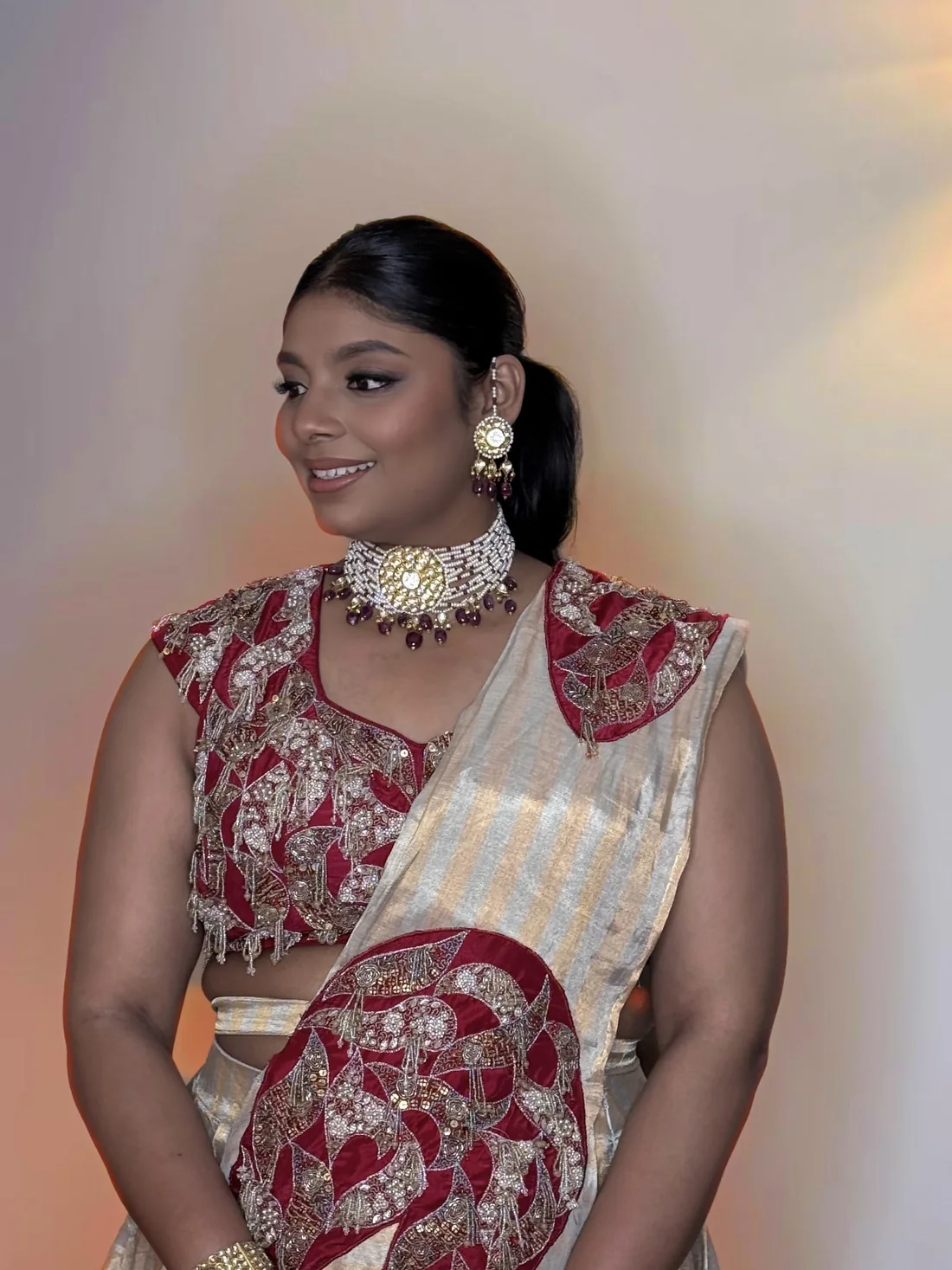
I work at the intersection of style and psychology — helping people translate who they are into how they look, and how they are perceived. Not trends. Not costume. The version of you that already exists, made visible.
Most people don't have a wardrobe problem. They have a clarity problem. A full closet and nothing to wear is almost never about the clothes — it's about not having decided who you're dressing as. My work begins there, with the decision, and only then moves to the rail.
That same principle carries into how you show up online. A wardrobe and a feed are both forms of storytelling, and both fall apart for the same reason: no through-line. Both deserve the same eye, and the same honesty.
Two disciplines — Fashion Styling & Image Therapy, and Content & Brand Strategy. Each stands alone. Together, they are the whole picture.

Two Practices, One Studio
One is personal — your wardrobe, your image, your presence. The other is operational — the business behind a personal brand. Many clients need only one; some need both.
Practice One
Working directly with you: wardrobe, image and the way you're seen — in a room and on a screen.
Practice Two
Running the business behind your brand, so you can stay focused on the craft that built it.
Selected Clients
Seven clients are documented on the Lookbook, each kept together in one place rather than scattered across a grid. Four are named here with their permission — including the red carpet at the Cannes Film Festival.


The Index
Seven services across two disciplines. Each is complete on its own, and each is documented so you keep the method, not just the afternoon.

The Combined Engagement
Most people hire a stylist and a strategist, then spend their energy translating between the two. Here, the person who dresses the shoot is the person who built the content plan around it.
One shoot day, styled and directed by the same eye, becomes a season of content that actually looks like a brand — because the outfits, the concepts and the messaging were decided in the same conversation.
Why Clients Stay
The stylist and the strategist are the same person. Nothing is lost translating between how you look and how you're positioned.
I address the reason a wardrobe stopped working — the life change, the self-image, the avoidance — not only the wardrobe.
Designers, boutiques, tailors, hair and makeup artists already tested and already responsive. You don't inherit the search.
Every engagement ends with a written guide — palettes, formulas, shopping notes, strategy. You keep the method.
The process is identical at every price point. Good styling is a function of judgement, not spend.
Client work stays confidential unless you'd like it shared. Public figures, private lives.
Who I Work With
A new role, a new city, a new season of life — and a wardrobe still dressed for who you were.
Six ceremonies, four cities, a hundred decisions. One person holding the whole visual thread.
Your image is part of your work. Every appearance photographed, archived and compared.
Visible online, but not yet legible. You need direction, not more posting.
From the Journal
Written from client work rather than from a content calendar — what a wardrobe is actually for, how a wedding week is sequenced, and what a stylist's fee is buying.
The most common sentence I hear isn't a wardrobe problem, it's a decision nobody has made.
Read it →
Most of the job happens months before anyone sees a photograph.
Read it →
The honest answer is that it depends on which of three things you need.
Read it →Let's Begin
Send a line about what's prompting this — a wedding, a role, a launch, or simply a wardrobe that stopped working.